

Market trends
South Korea to ban labels on bottled water from 2026
South Korea to ban labels on bottled water from 2026
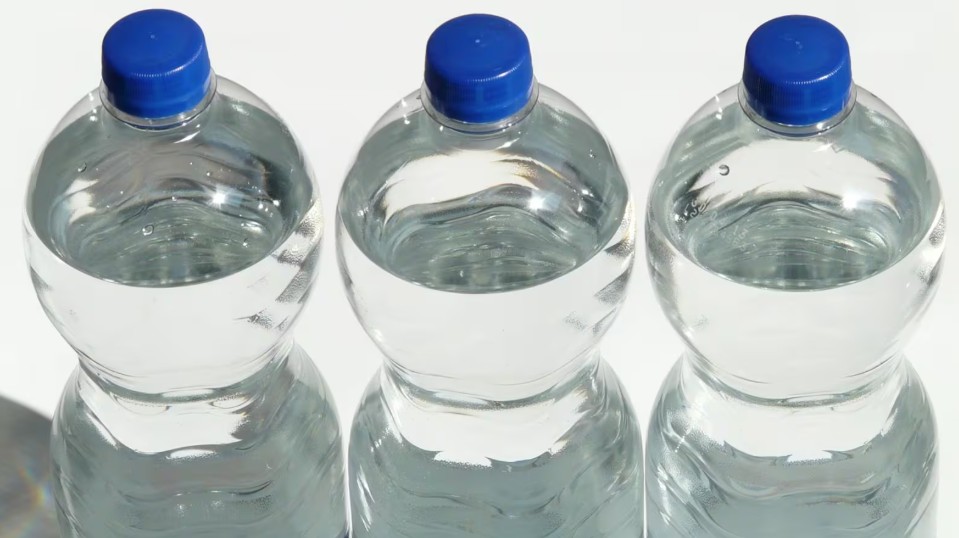
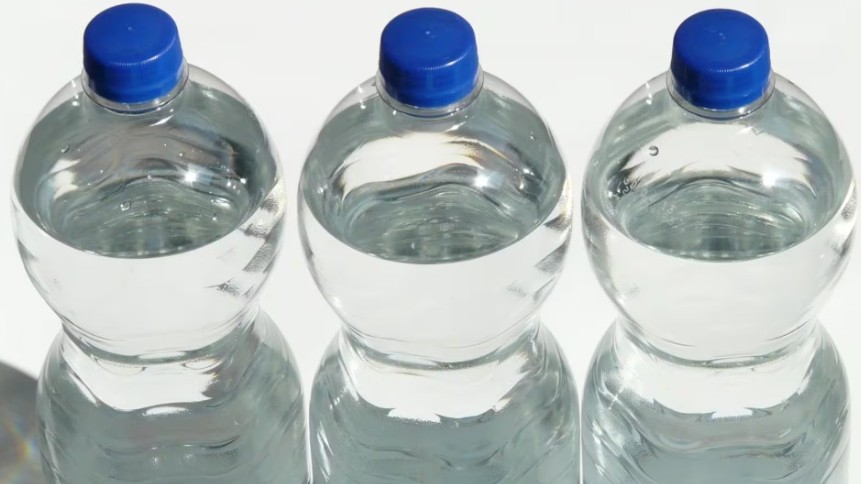
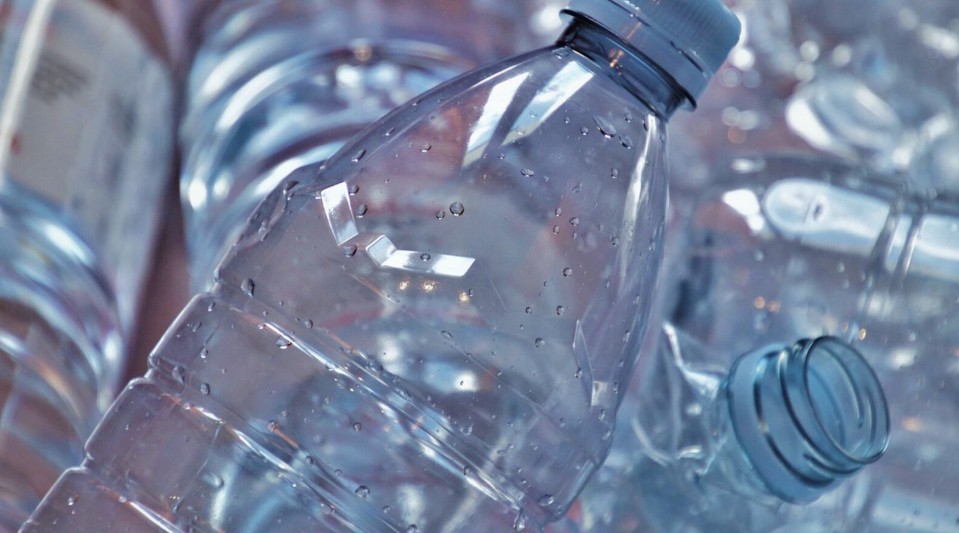
PET bottles (Stock photo)
South Korea’s Ministry of Climate, Energy and Environment announced it will ban plastic labels on bottled drinking water starting 1 January 2026.
Producers will be required to provide essential product information on QR codes printed on bottle caps or, for bundled products, details on outer packaging or carrying handles.
Product name, manufacturing and expiry dates, water source and contact information must still be printed directly on bottles or caps.
To help ease the transition, the South Korean government will grant a one-year grace period for products sold individually in physical stores, after concerns were raised over the readiness of small retailers to process QR codes. Online sales and bundled products will need to comply fully from the start date.
The Ministry estimates the move could save more than 2,200 tonnes of plastic waste annually. South Korea consumed approximately 5.2 billion bottles of drinking water last year. About 65% of bottled water is already sold without labels in the Asia country, which has allowed for label-free bottle packaging since 2020.
“The label-free system aims to ensure safety information remains accessible while reducing plastic use and making recycling easier,” local media quoted senior minister Kim Hyo-jung as saying. “We will continue close communication with industry to ensure a smooth transition.”
The label ban forms part of South Korea’s broader environmental strategy to reduce single-use plastics and improve recycling infrastructure.
From the start of 2026, South Korea will also require some beverage and bottled water producers to use recycled content in their colourless PET bottles.
The new regulation mandates companies that use more than 5,000 tonnes of colourless PET bottles annually to incorporate recycled content into their packaging.
The government expects the new rules will apply to around 10 major bottle producers, including Coca-Cola Korea, Lotte Chilsung Beverage and Jeju Samdasoo.
The Ministry plans to expand South Korea’s mandate by 2030. Companies using more than 1,000 tonnes of PET bottles annually would then have to use at least 30% recycled content. There are also plans to extend the mandate to other packaging products and materials in the future.
* Source : https://www.plasticsnews.com/public-policy/sp-south-korea-bottle-water-labels/